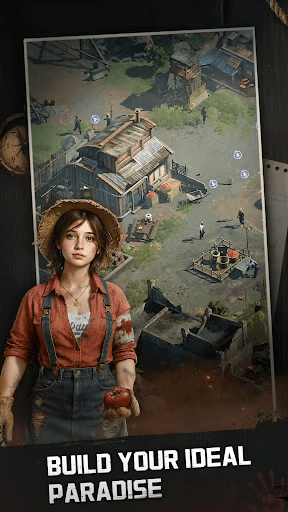
What’s particularly noteworthy is that "loot & extract" is breaking the boundaries of traditional shooting games, beginning to penetrate the heavy category of SLG.
Recently, AppGrowing observed that an increasing number of SLG developers are gravitating towards "Loot & Extract" gameplay. For instance, FunPlus launched "Bone War" last month, integrating a "top-down shooting + loot & extract" model similar to that in "Escape from Duckov," based on SLG long-term development, resource management, and alliance competition.
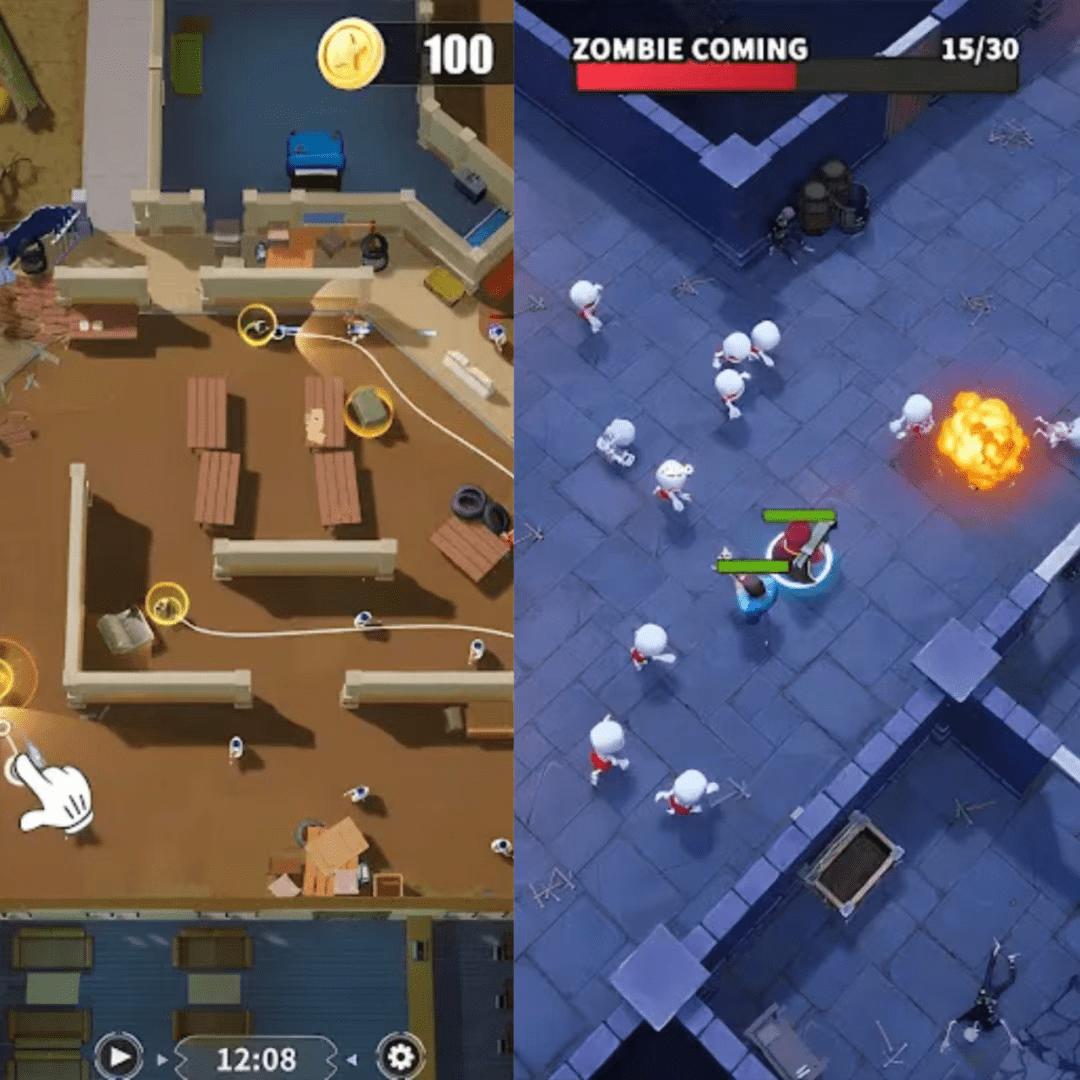
01. Simplifying Loot & Extract for a Lightweight Experience
"Bone War" adopts a structural design similar to "Last War," presenting game content to players progressively through mechanisms like map unlocking and terrain exploration.
In this process, "Bone War" integrates various casual mini games, such as numerical gates and vehicle selection, guiding players to unlock content and expand territories, ultimately transitioning to a main city management model akin to SLG. This gradual growth system enhances players' long-term motivation while lowering the understanding threshold for the game.

However, the design of the "Search" and "Retreat" elements is relatively simplified, focusing more on creating an enjoyable "mowing" experience.
For example, in typical "loot & extract" gameplay, the "Search" aspect often emphasizes "uncertainty," with varying values of resources uncovered each time, sustaining players' anticipation and motivation for repeated play. Yet, in "Bone War," the search process is designed as a fixed operation, with the resources and troop numbers obtained being relatively constant, primarily aimed at boosting combat power to advance tasks, thereby reducing the excitement associated with randomness.
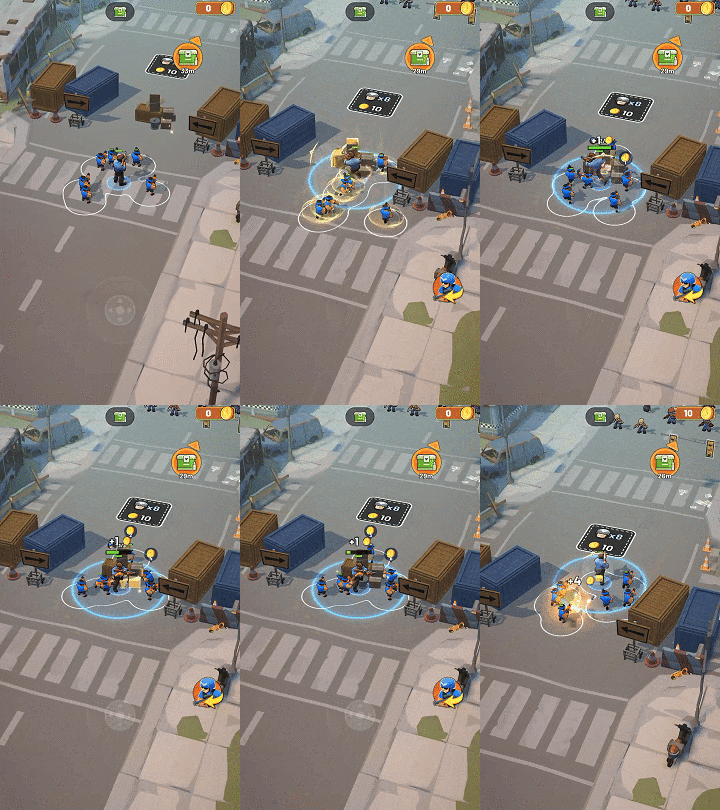
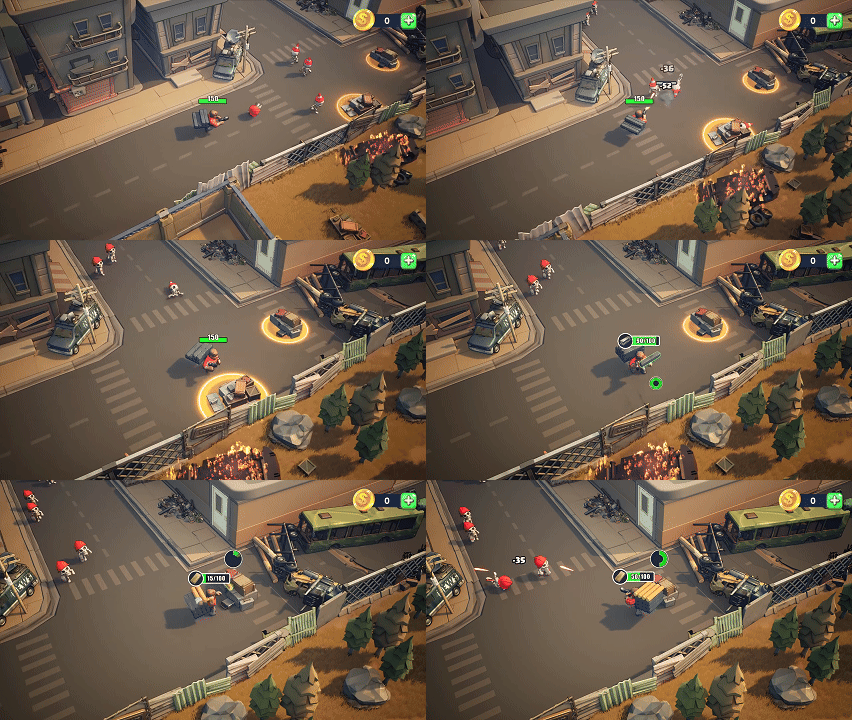
Regarding the "Combat" aspect, it is somewhat similar to the design of the "numerical gates," aimed at quickly increasing the number of combat units to create a "mowing" sensation. However, the distinct point is that "Bone War" relies on the core mechanic of "rescue companions" to gain "troops." By rescuing soldiers on the battlefield and integrating them into the squad, players can directly enhance their squad size and combat power.
Moreover, almost every soldier in the game has an independent health bar, making damage and strength changes during battles visibly clear, providing players with instant tactical feedback.
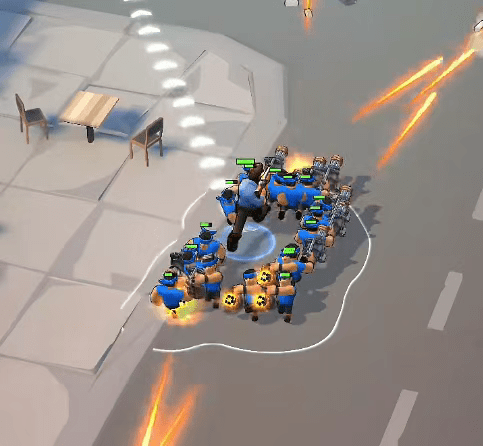
This design meets SLG players' demands for long-term development while providing a stimulating short-cycle experience through "Search-Combat-Retreat," allowing players to establish a tighter tactical loop between resource accumulation, strength enhancement, and task completion.
02. Limited Advertising, Side-Game Remains Dominant
Currently, "Bone War" is still in the early optimization phase, and its advertising strategy is relatively restrained, with overall volume not high. AppGrowing shows that its highest single-day ad placements are close to only around 300.
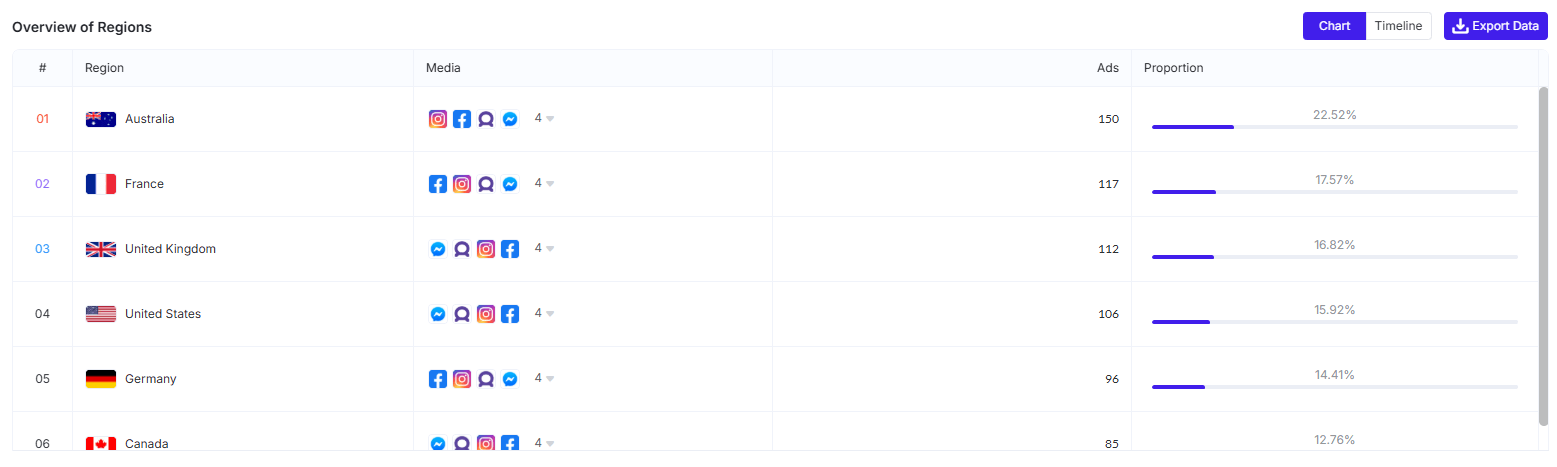
In terms of targeted advertising regions, the game is clearly focused on Tier 1 markets in Europe and the US, such as the United States, the United Kingdom, and France. Users in these areas not only have a mature gaming payment habit but also have a significantly higher acceptance and payment depth for the SLG genre compared to other markets.
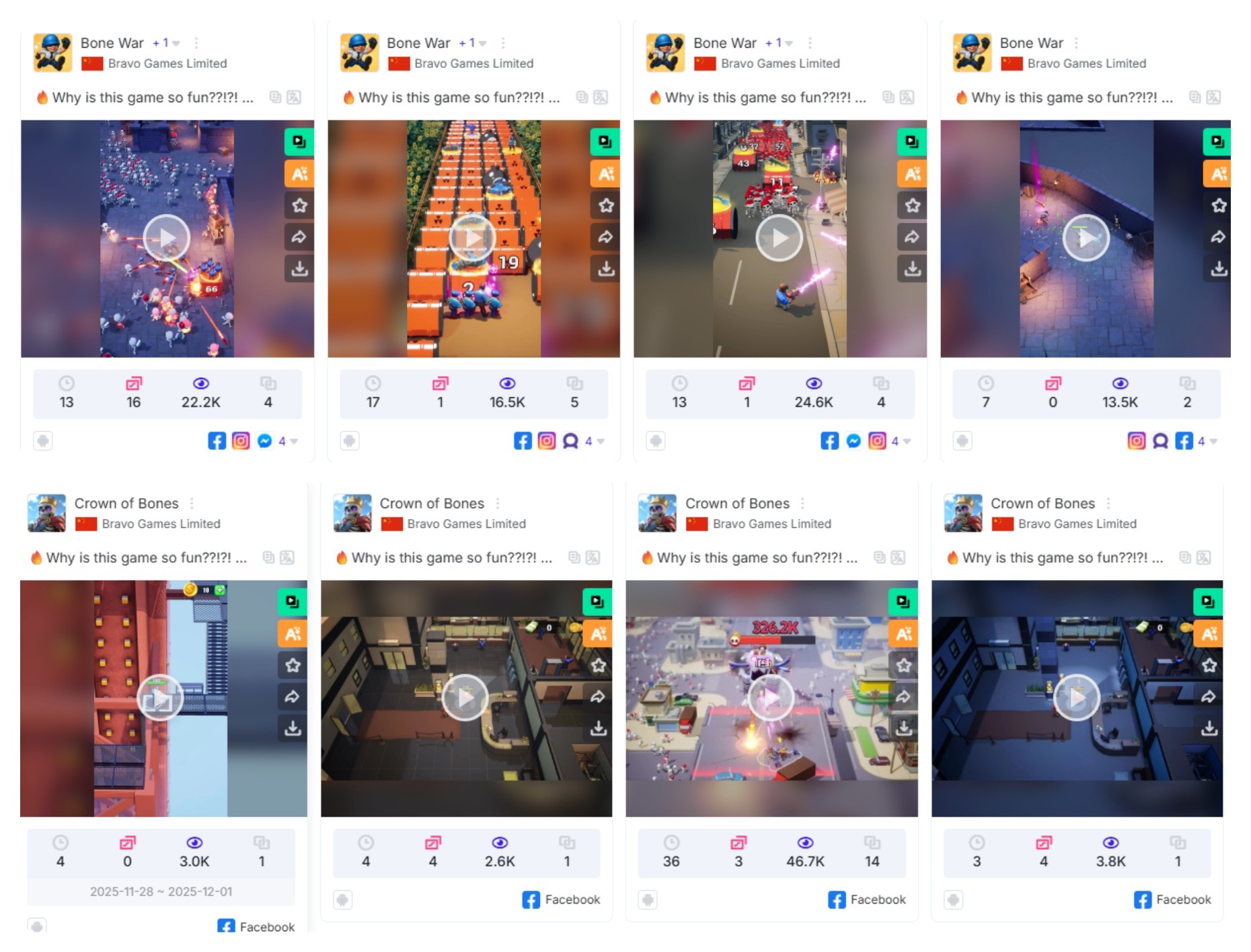
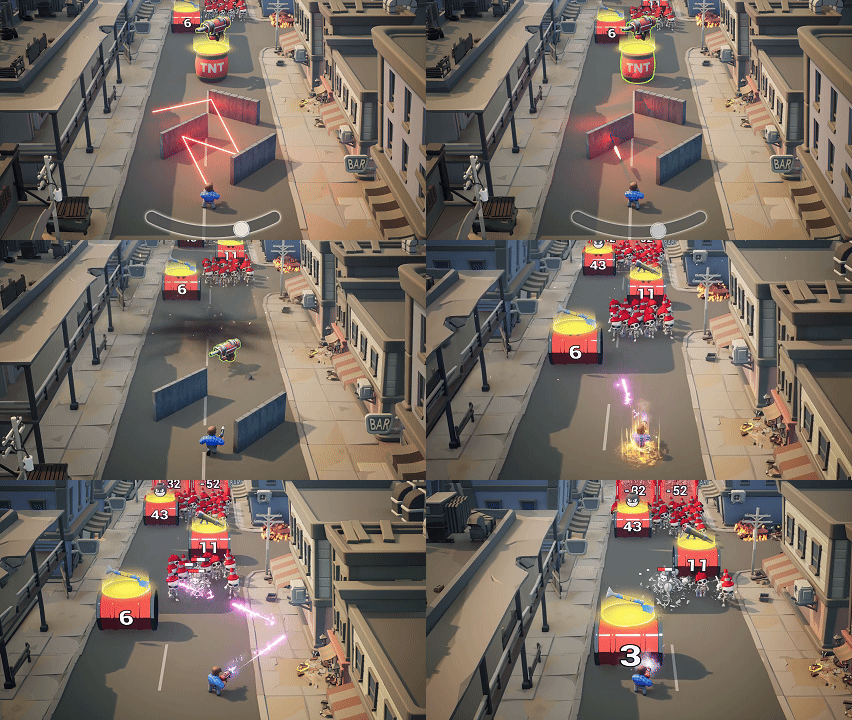
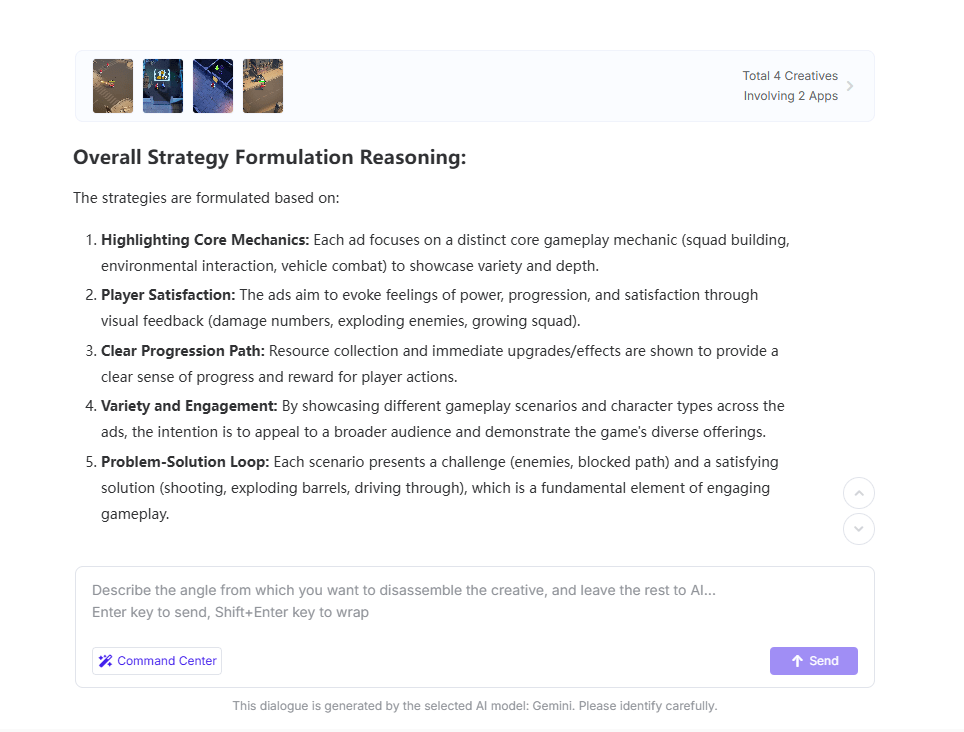
For instance, the "numerical gate" material features visually impactful scenes showcasing numerous enemies being defeated in explosions, freezing effects, and continuous laser outputs. It comprehensively displays the entire gameplay process, from initial shooting, weapon upgrades, to environmental interactions and the final Boss battle.
Additionally, the continuously bouncing numbers on the screen and the increasing number of teams provide users with clear feedback on progress and a sense of achievement, amplifying the satisfaction of mowing down enemies.
03. Why the Sudden Shift to "Loot & Extract"
The "involution" in the SLG category has persisted for several years, with many vendors caught in a competitive deadlock. Take Century Games as an example; by combining with simulation management, they created the lightweight SLG "Whiteout Survival," achieving global success. This spurred many vendors to attempt similar models, launching various themed simulation SLG.
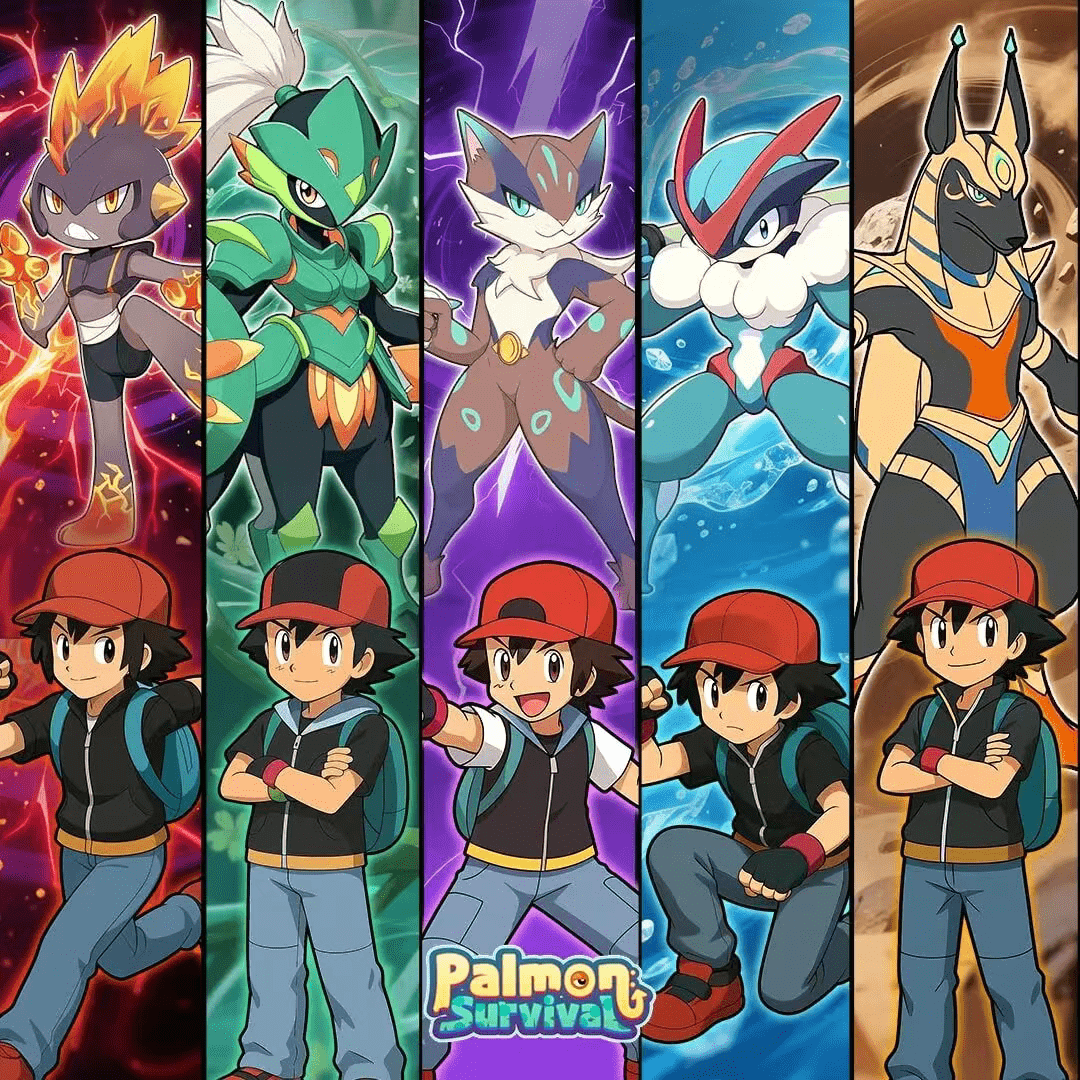
Lilith's "Palmon: Survival," released earlier this year, further integrated the currently popular "palmon" gameplay on the basis of simulation management, showing a differentiated exploration trend.
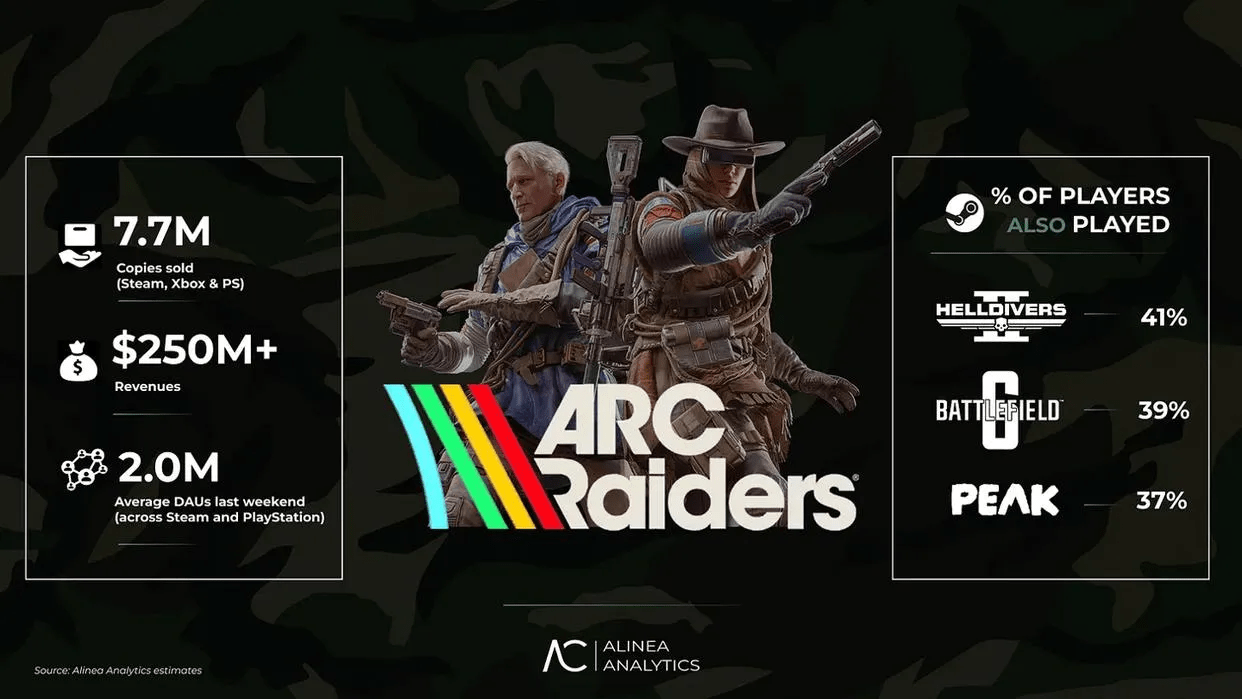
It's not surprising—currently, the "loot & extract" gameplay has already achieved high popularity due to products like "Delta Force" and "ARC Raiders," becoming a new favorite in shooting and competitive fields. By combining this high-attention gameplay with SLG, vendors aim to capitalize on "borrowing power," lowering the cognitive threshold for users while injecting freshness into the increasingly fixed SLG genre, creating a differentiated memorable point right from the marketing phase.
The randomness and fast-paced elements introduced by "loot & extract" not only satisfy SLG players' pursuit of depth in strategic operations but also provide immediate operational feedback. After strategizing, players can validate their skills in "loot & extract" stages, further increasing their sense of achievement.
For example, a recent overseas test by OURPALM of "Last Stronghold" allows players to directly control units trained in SLG gameplay within the "loot & extract" stages. This gameplay also brings a more exciting periodic experience, effectively alleviating the boredom caused by long-term SLG operation.
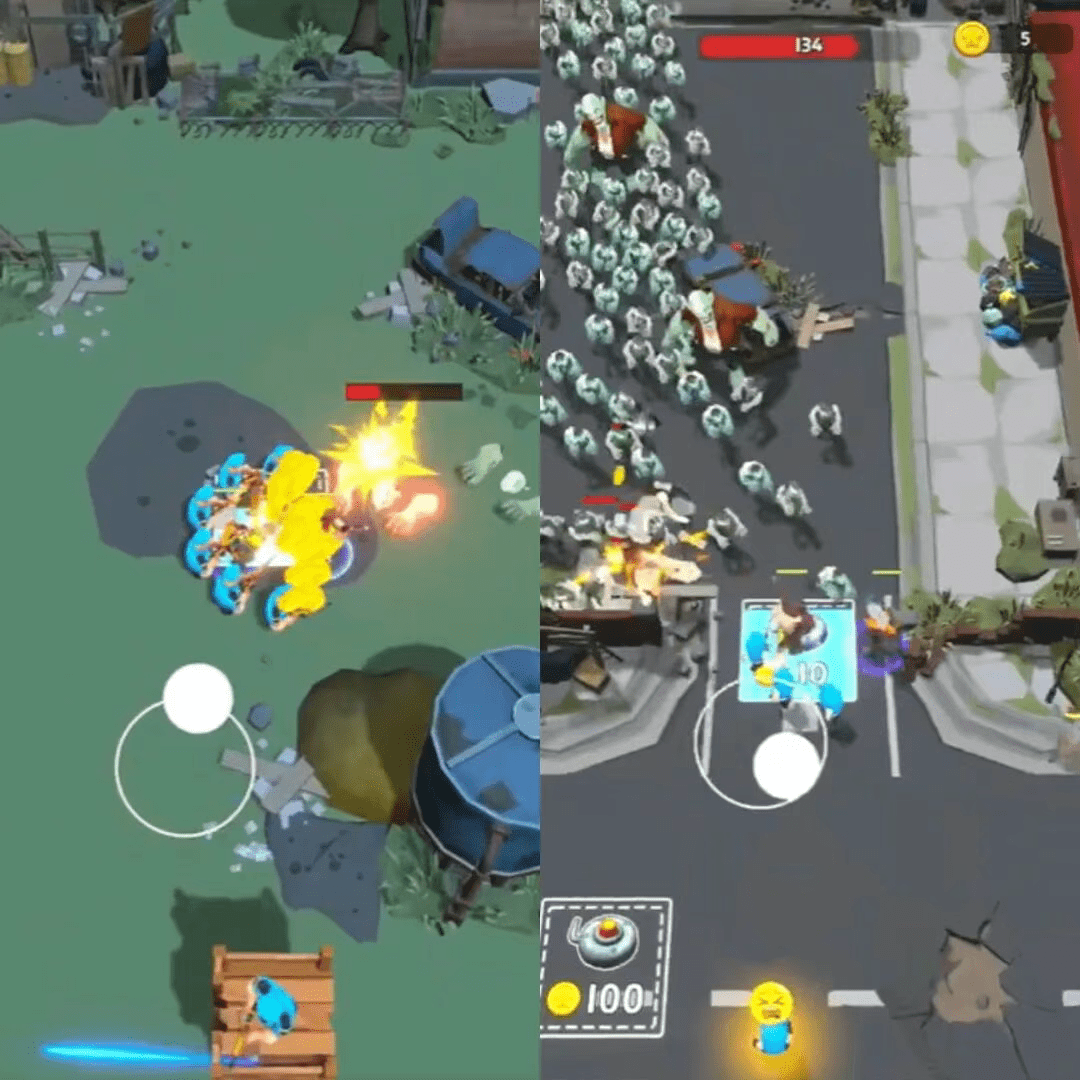
In addition to FunPlus and OURPALM, several other companies such as IGG and 4399 have begun to enter the "loot & extract + SLG" track, and market interest in related products continues to rise.
Among them, IGG's "Oasis Escape" has taken a bold approach in its thematic choice, adopting a rarely seen island theme with a vast open map space allowing players to freely explore resources. Since beginning testing last year and integrating "search, attack, retreat" gameplay this year, the ongoing content iteration reflects vendors' confidence in the long-term growth.