What’s notable, however, is the emerging design trend: a lightweight blend of "Palworld-like elements + refined gameplay mechanics." Monster-chatching is no longer the core gameplay by itself; instead it becomes an important module that drives game systems. Multiple “Palworld-like” combinations keep entering the market.
This evolution is also reshaping UA: simply showing the “capture moment” in ads is no longer enough to attract users. Creative selling points are moving toward greater diversity.
The Strategic Shift: Beyond Simple Cloning
Rather than simply cloning the open-world framework of Palworld, most publishers choose to embed creature-collection mechanics into established genres to reduce development cost and improve monetization efficiency.
AppGrowing observes three representative design approaches in the current market:
-
Palworld-like + SLG: A leading example is Lilith Games’ Palmon: Survival - Gamota. This SLG directly integrates “Palmon” into the SLG resource loop. Combined with light-touch designs such as auto-battle and automated gathering, it downplays hardcore SLG elements like complex troop allocation and formations, instead presenting a relaxed, pleasant progression through cute creature avatars.

-
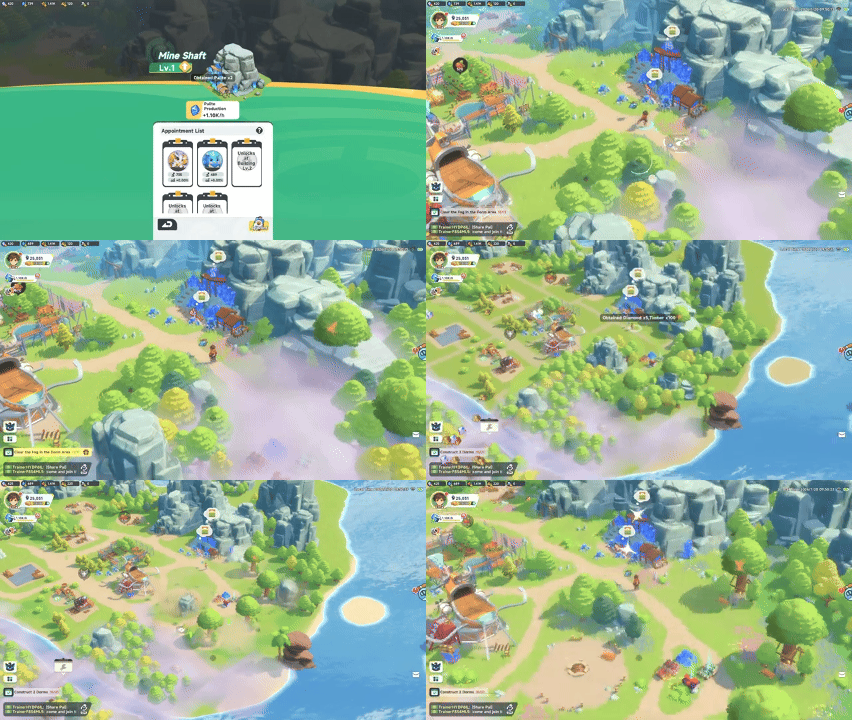
Palworld-like + Management Simulation: 4399’s Catch & Build opts for a lighter route. Early gameplay focuses on map exploration, pet collection, homestead management, emphasizing positive feedback from progression—better aligned with casual players’ preferences.
-
Palworld-like + RPG: Bilibili’s Lumi Masters (currently in testing) emphasizes “light social + deep collection” Compared with the other two approaches, this type stresses the strategic fun of collection and team composition.
Three Core Creative Selling Points For UA Success
As product logic evolves, ad creative strategies are changing.Modern creatives now emphasize “what the pet enables”—how pets integrate into game progression and deliver immediate emotional feedback.
Leveraging AppGrowing's "App Selling Points" feature, we've identified three winning creative strategies:
-
Driving Progression Through “Pet Productivity”
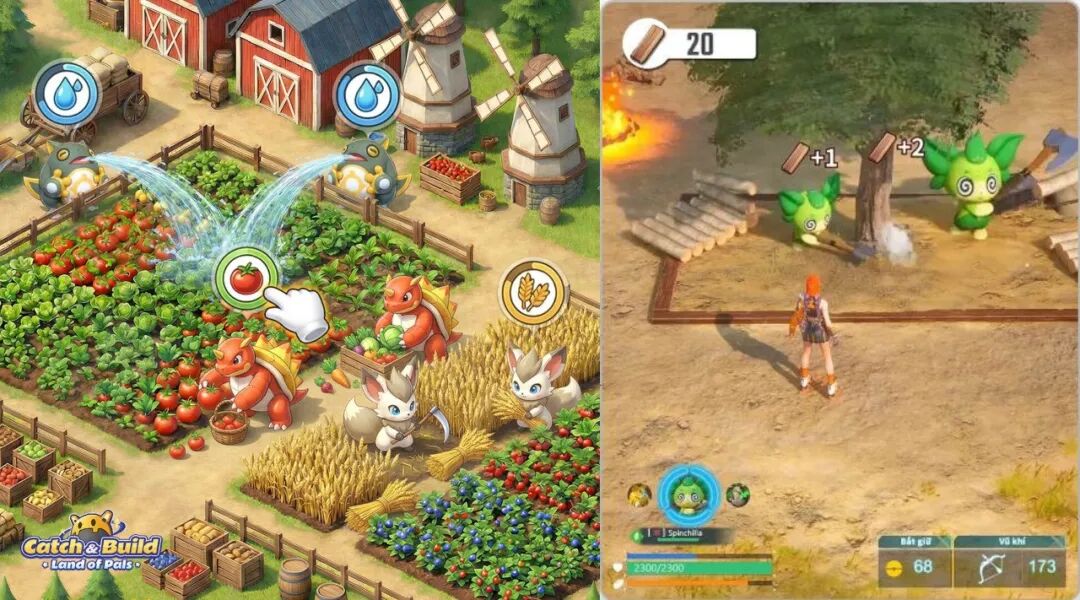
This is the most prevalent look hook currently.These creatives move away from combat thrills and instead showcase pet participating in production and construction—auto-logging, mining, logitics. The focus is on stress relief and the joy of collection.
- Enhancing Capture Satisfaction Through Dramatic Conflict
While “Catching pets” remains a core hook, its presentation has become more dramatic. Publishers are using rescue narratives to build emotional stakes.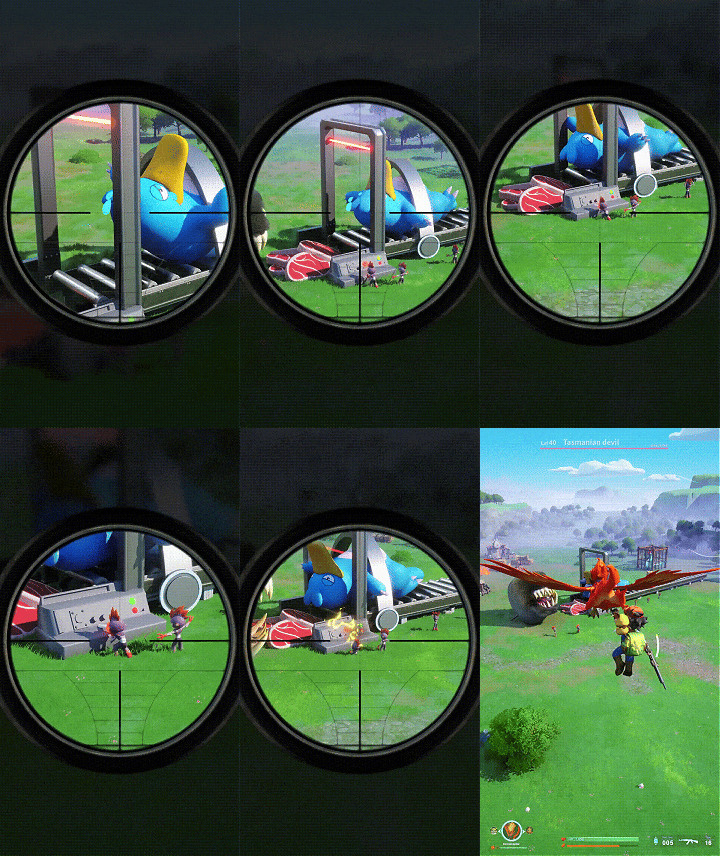
For example, in a Palmon: Survival - Gamota creative: a telescope close-up reveals a Palmon about to be slaughtered, players join forces to defeat enemies, and only then is the capture completed. This rescue narrative more readily builds emotional connection. 2. Reframing City-building Loops with Story-driven Narration
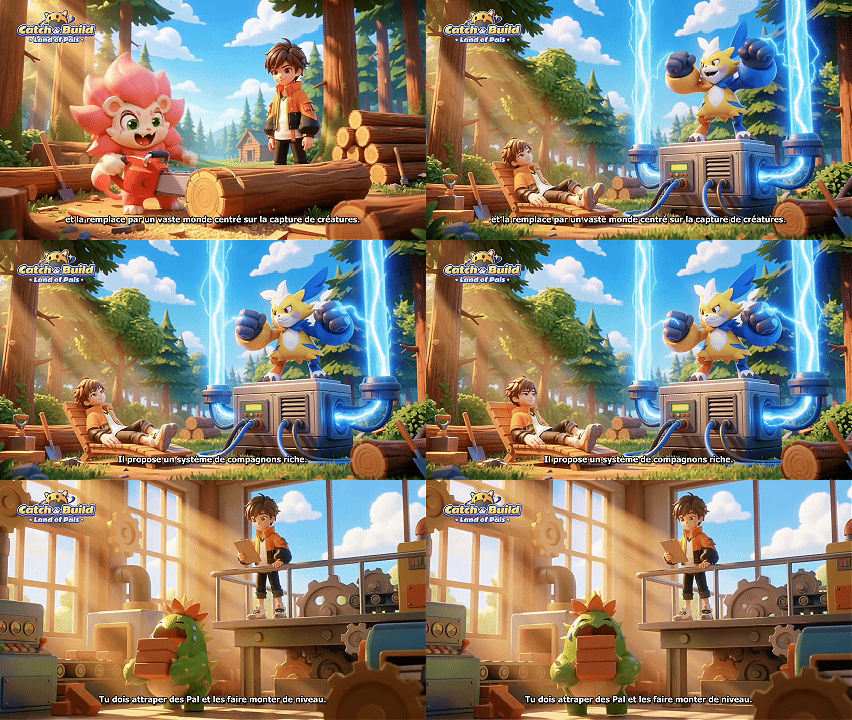
Data shows that “Plot-driven” assets for Catch & Build saw a 150% MoM rise in popularity recently.

Conclusion: The Future of Hybrid Trend in 2026
Although multiple publishers have entered the field, the Palworld-like category remains at a very early stage overall.
On one hand, the creature-collection mechanic has broad appeal. From Pokémon to Palworld, collection, progression, and companionship interactions naturally form social and emotional bonds.
On the other hand, publishers are still exploring the optimal Palworld-like+ solution. High open-world development costs make publishers prefer building on mature genres; “Palworld-like + mature gameplay” will likely be the mainstream direction for a long time.
From a UA perspective, the shift from feature-based ads to emotional-experience narratives suggeststhat future competition will be won by those who can deliver moving, story-driven content alongside clever gameplay fusion.
