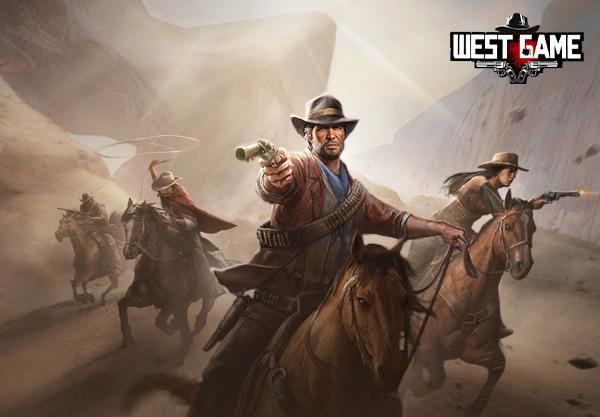
Recently, AppGrowing observed that Leyi has launched the sequel to the "West Game" IP, "West Game II," which officially entered public beta on September 21. The data has shown a steady increase, with estimated cumulative revenue nearing 14 million yuan across both platforms. This sequel not only prolongs the IP's lifespan but also injects new momentum into Leyi's continued efforts in SLG markets.
01 Consolidating the Dominance of Western Themes
Like its predecessor, "West Game II" employs the Western cowboy theme and American realism art style. While attracting veteran users, it also reinforces Leyi’s leading position in this niche genre. However, in terms of core gameplay framework, "West Game II" does not follow the previous model but instead aligns with current mainstream SLG trends by adopting “Casual SLG” as its foundational structure.
Specifically, the game utilizes a mature model validated by "Whiteout Survival" for overall newbie guidance and narrative progression. By delivering a compact storyline, it conveys the game’s worldview to players, helping them quickly establish emotional connections and core objectives. This approach lowers the entry threshold while enhancing immersion and early retention.
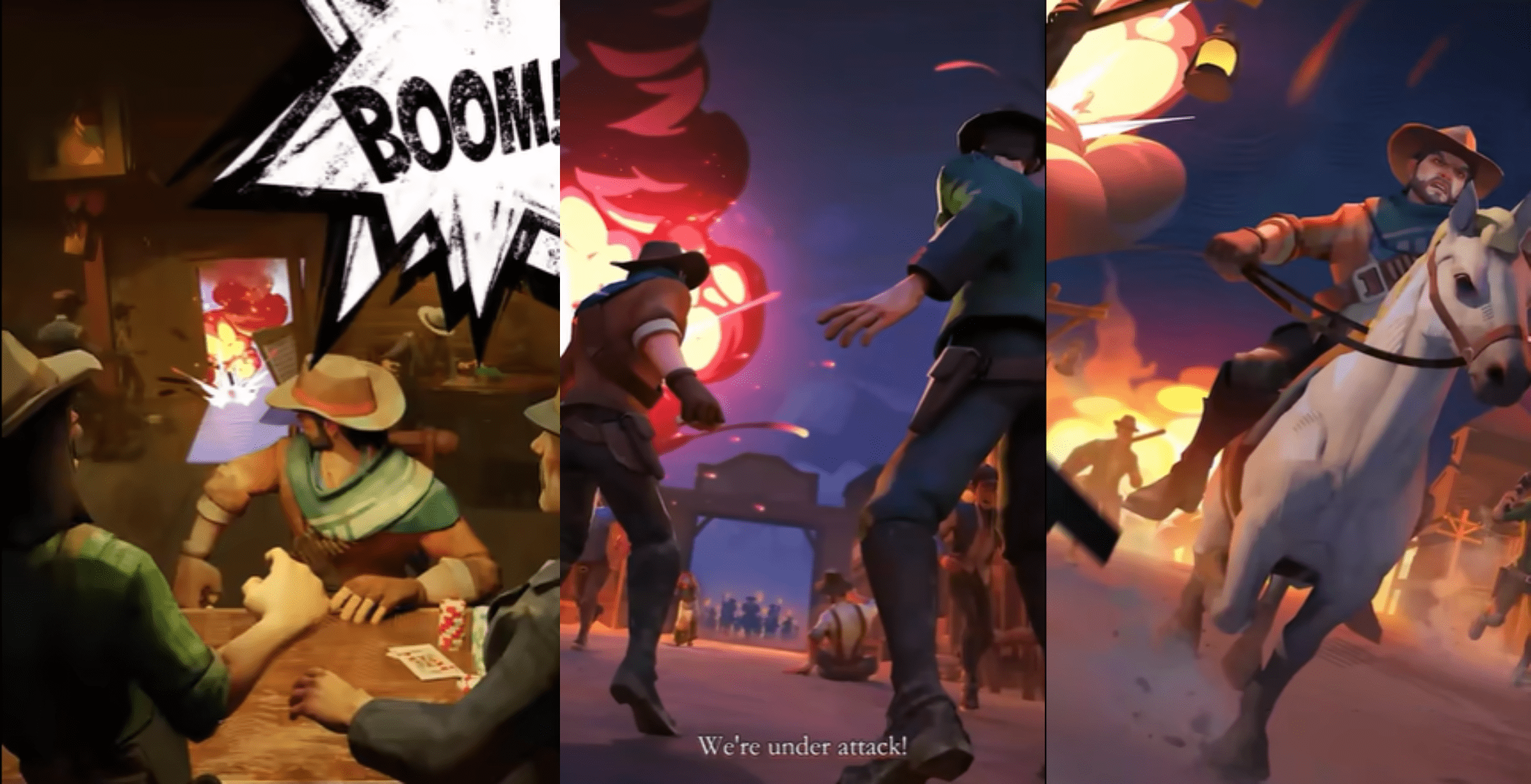
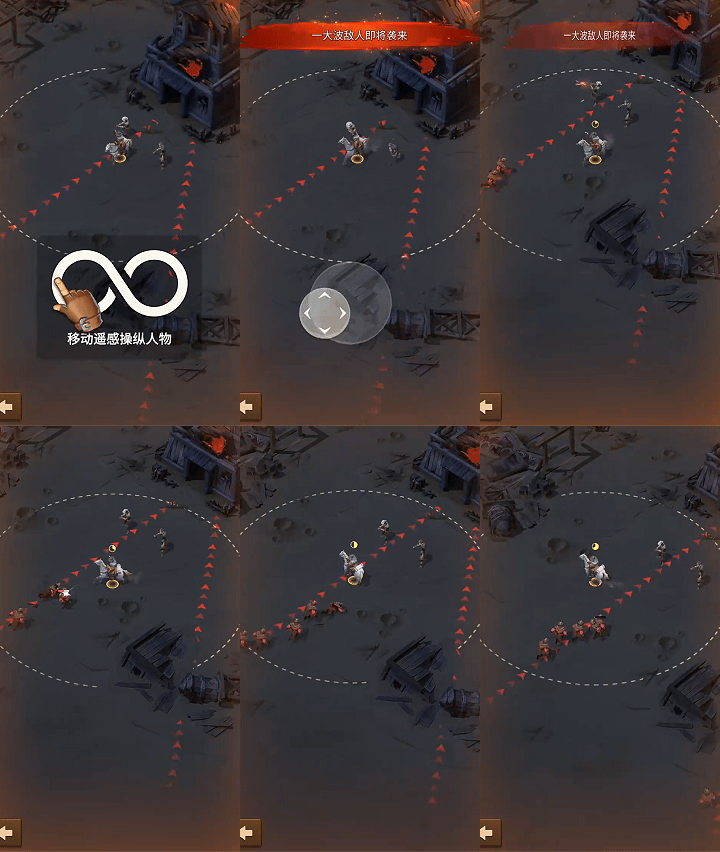
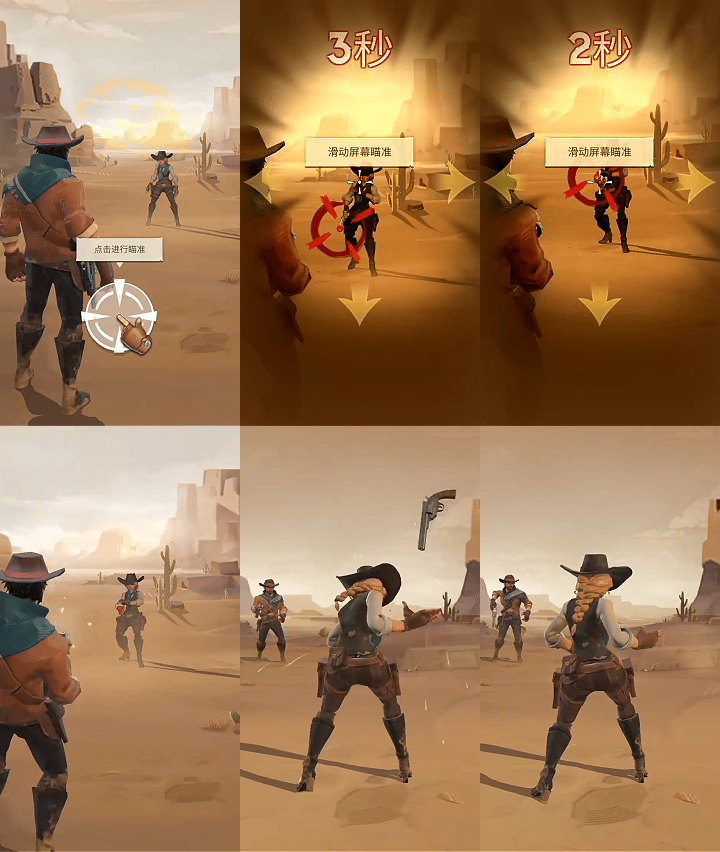
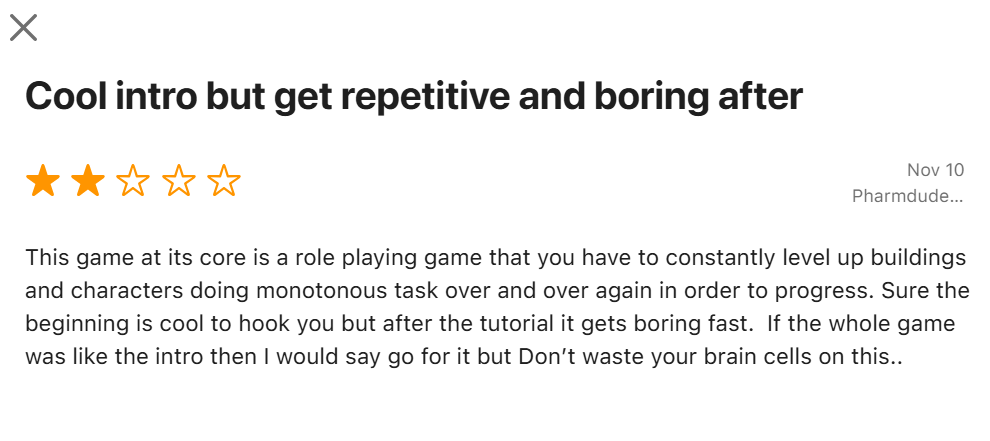
However, despite the good handling of “lightweight” packaging in the early stages, once entering the mid-to-late stages of SLG, the game falls into the common paradigms of traditional mid-core SLGs. The core player objective shifts from “experiencing the story and building the town” to a singular loop of numerical accumulation, meaning ongoing upgrades of buildings and heroes, alongside repetitive PVE and PVP.
This dilution of objectives and gameplay homogenization may lead to a lack of long-term drive for players to maintain engagement after the initial novelty wears off.
02 High Investment, High Return
"West Game II" has achieved significant revenue exceeding 10 million in a short period largely due to its extensive user acquisition strategy.
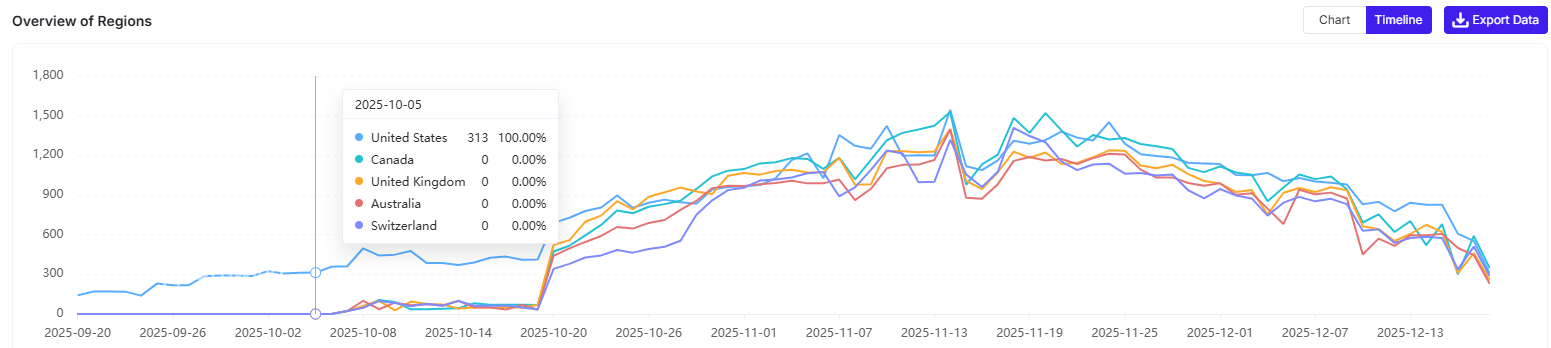
According to AppGrowing, within just a few months, the advertising spend for "West Game II" has rapidly caught up to that of "West Game." Additionally, the ad formats have shifted from predominantly image-based to being led by video content. This transition not only enhances the expressiveness and immersion of the advertisements, but also presents the game's mechanics and worldview more intuitively, effectively attracting potential users.

Analyzing the timeline of ad placements, "West Game II" first launched in the United States, and after validating the product's user engagement and monetization model, gradually and systematically expanded its coverage to other European and American markets.
For instance, one ad features a snow apocalypse theme, showcasing characters rescuing residents in a desolate snowy landscape while collaboratively chopping wood, mining coal, and building a village. This creative delivers a complete narrative from basic construction to large-scale development, providing users with a clear expectation of the game flow. The bright color palette, adorable character designs, and immediate feedback for resource collection and building upgrades offer players a relaxed and enjoyable experience.


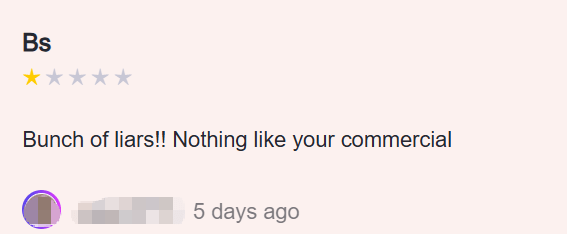
However, as previously noted, once the game progresses into the SLG phases, the gameplay experience moves towards being repetitive and thin, making it difficult to effectively retain users attracted by these casual mini-game ads. This disconnect between early and late game experiences may lead to some users churning due to unmet expectations, thereby weakening the long-term effectiveness of user acquisition campaigns.
03 Why "West Game" Still Prevails
Leyi can certainly be regarded as a low-profile but robust player in the SLG market.
Since entering the gaming field in 2013 and establishing a long-term strategy of "focusing on SLGs," Leyi has targeted the niche of "subject segmentation," launching various products with different themes and gameplay, such as "War of Thrones" and "Blaze of Battle." After accumulating solid R&D experience and capabilities, the company identified a market gap with the "Western cowboy" theme and created the hit SLG "West Game," achieving a breakthrough in genre.
However, since 2022, the monthly revenue of "West Game" has continued to decline, prompting Leyi to urgently seek a new hit product to stabilize its overall revenue. AppGrowing compiled statistics on SLGs tested or launched from 2019 to 2025, revealing that most of its products have performed relatively flat in the market, with revenue levels generally positioned in the lower tier of the industry.
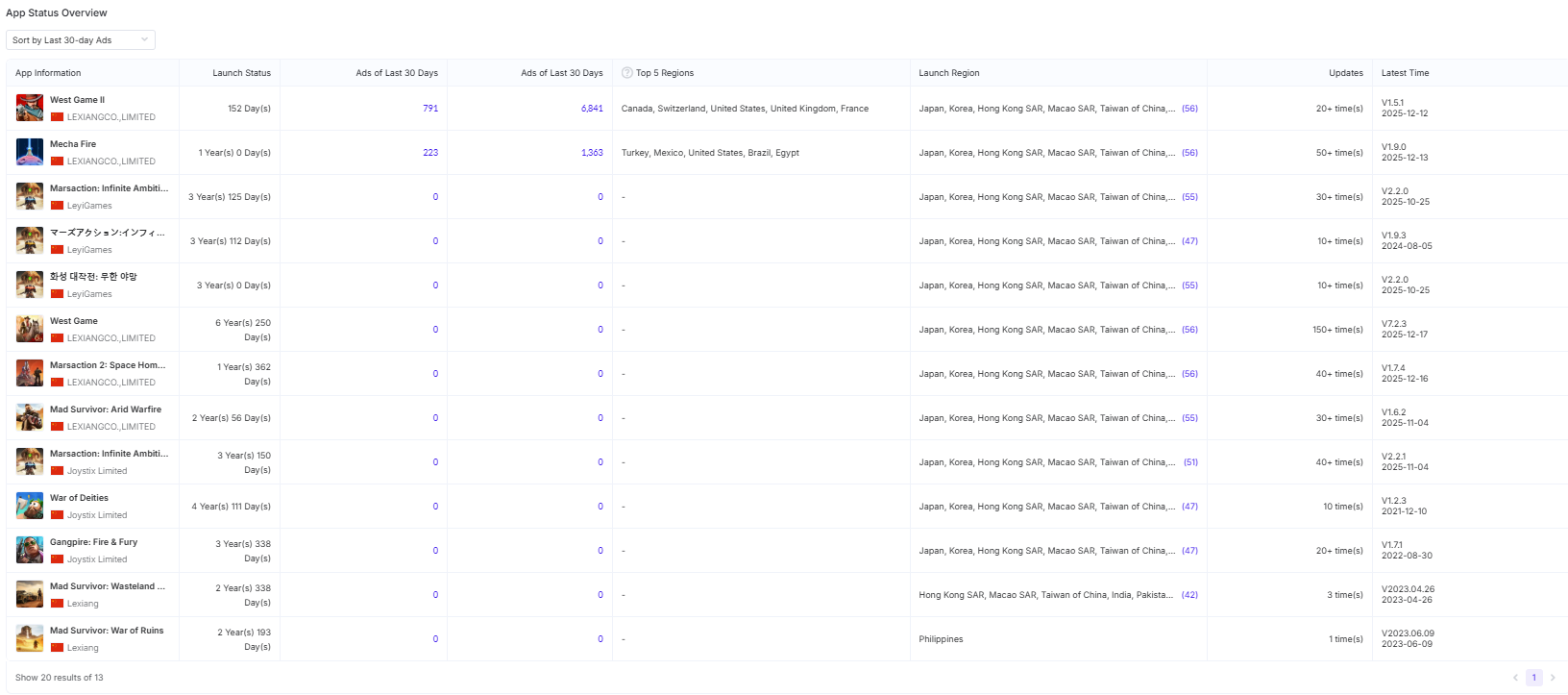
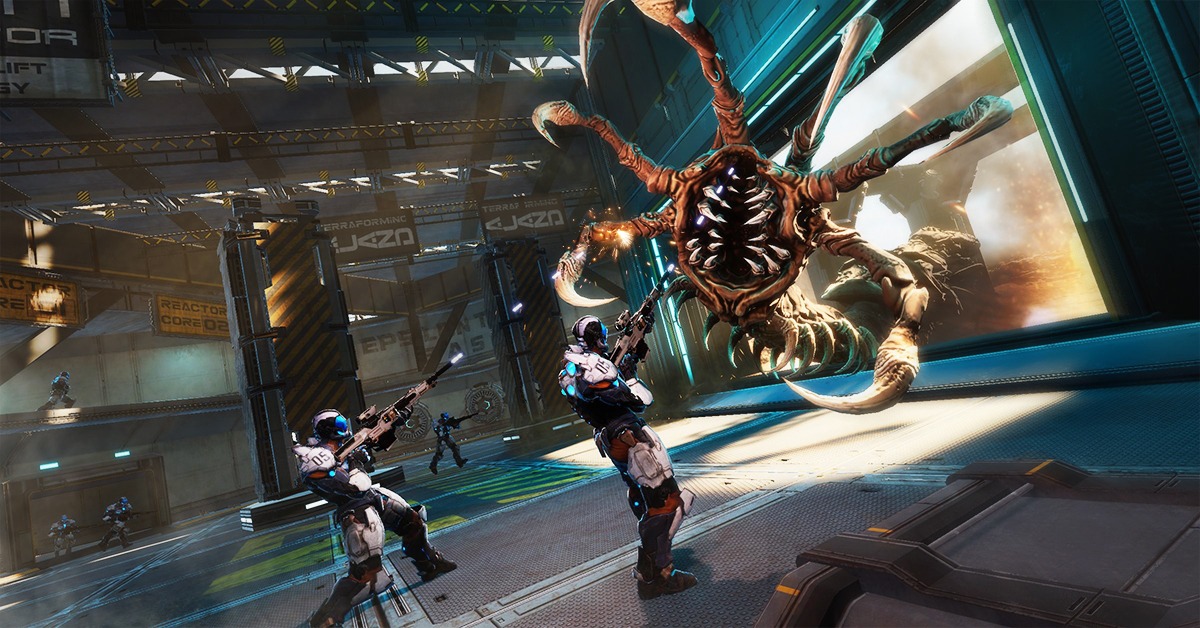
Subsequently, Leyi further focused on alien-themed content, launching "Mecha Fire" in January of this year based on the mainstream WOS-like framework and successfully innovating while inheriting the artistic style and gameplay essence of its past products. Since its launch, "Mecha Fire" has accumulated around 4.7 million downloads with estimated total revenue of 59 million yuan, becoming another key product for Leyi outside the "West Game" series.
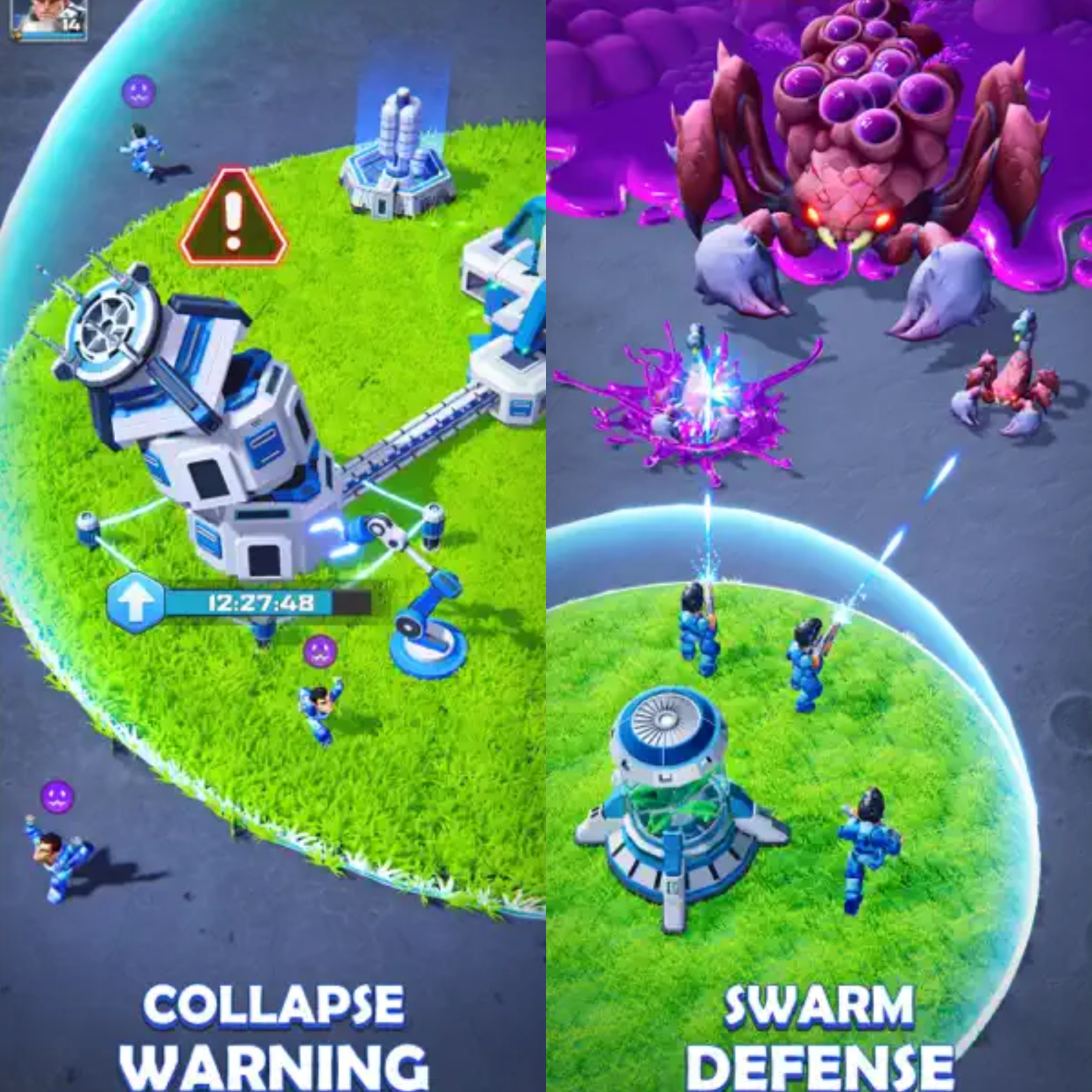
Moreover, given the reality of limited financial and time resources, choosing to develop a sequel for the well-recognized "West Game" IP, undoubtedly presents a path with relatively controllable risks and more predictable success rates.
